
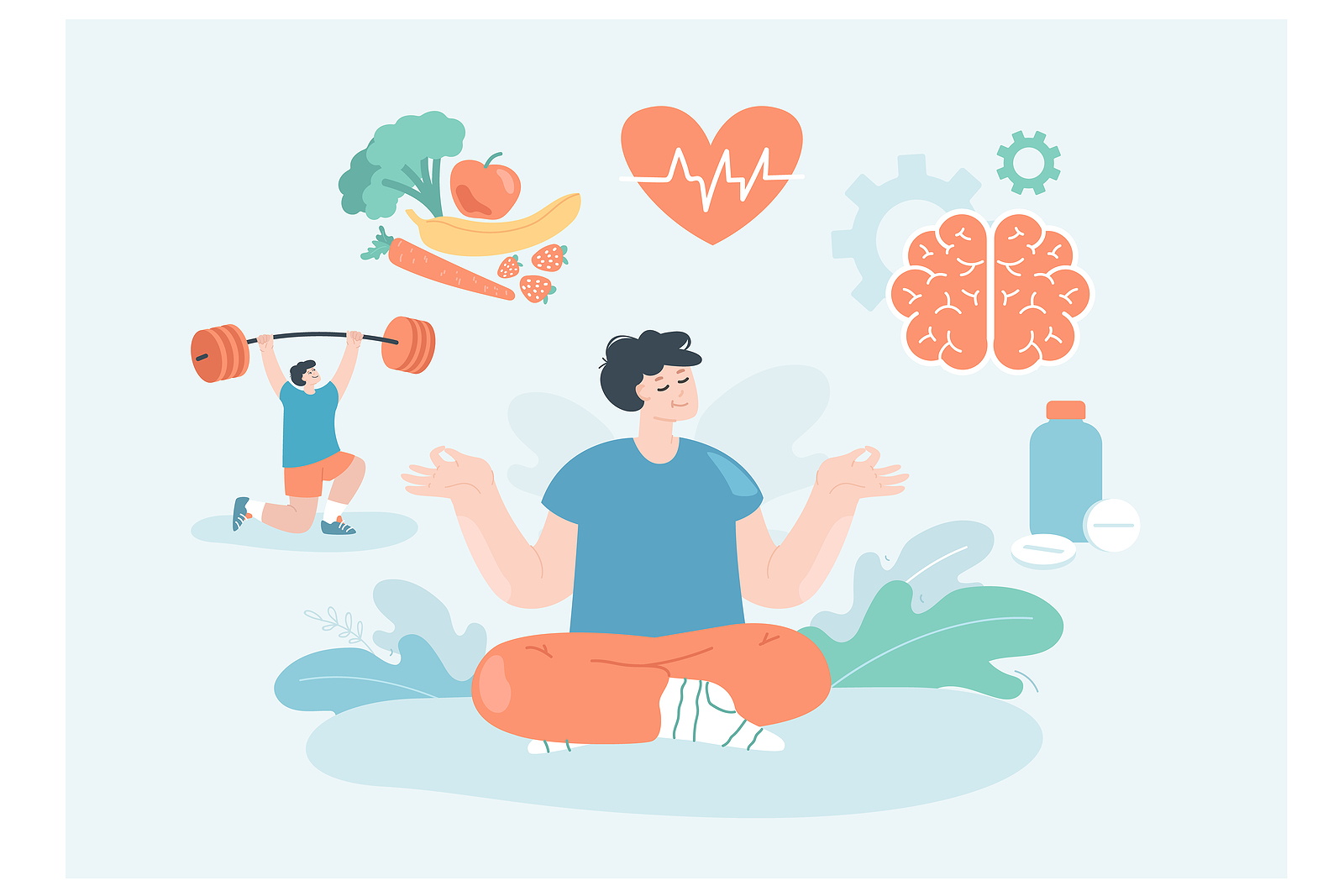
Alright, let’s dive into how living a healthy life can seriously boost your mental well-being. It’s not just about eating your greens and hitting the gym; it’s a whole package that can make a real difference to how you feel inside your head.
The Food-Mood Connection: What You Eat Matters
You know how you feel sluggish and a bit bleh after eating a load of junk food? Well, that’s not just a coincidence. What you put into your body has a massive impact on your brain. Think of your brain like a super sophisticated engine – it needs the right fuel to run smoothly.
Fueling Your Brain with Good Stuff
Loading up on fruits, veggies, whole grains, and lean proteins provides your brain with the essential vitamins, minerals, and antioxidants it needs to function at its best. These nutrients help with everything from producing neurotransmitters (those chemical messengers that affect your mood) to protecting brain cells from damage.
The Gut-Brain Axis: A Two-Way Street
Did you know your gut and brain are constantly talking to each other? It’s called the gut-brain axis. A healthy gut, full of good bacteria, can positively influence your mood, reduce anxiety, and even improve cognitive function. Eating probiotic-rich foods like yogurt, kefir, and fermented veggies can support a happy gut.
Staying Hydrated for a Happy Mind
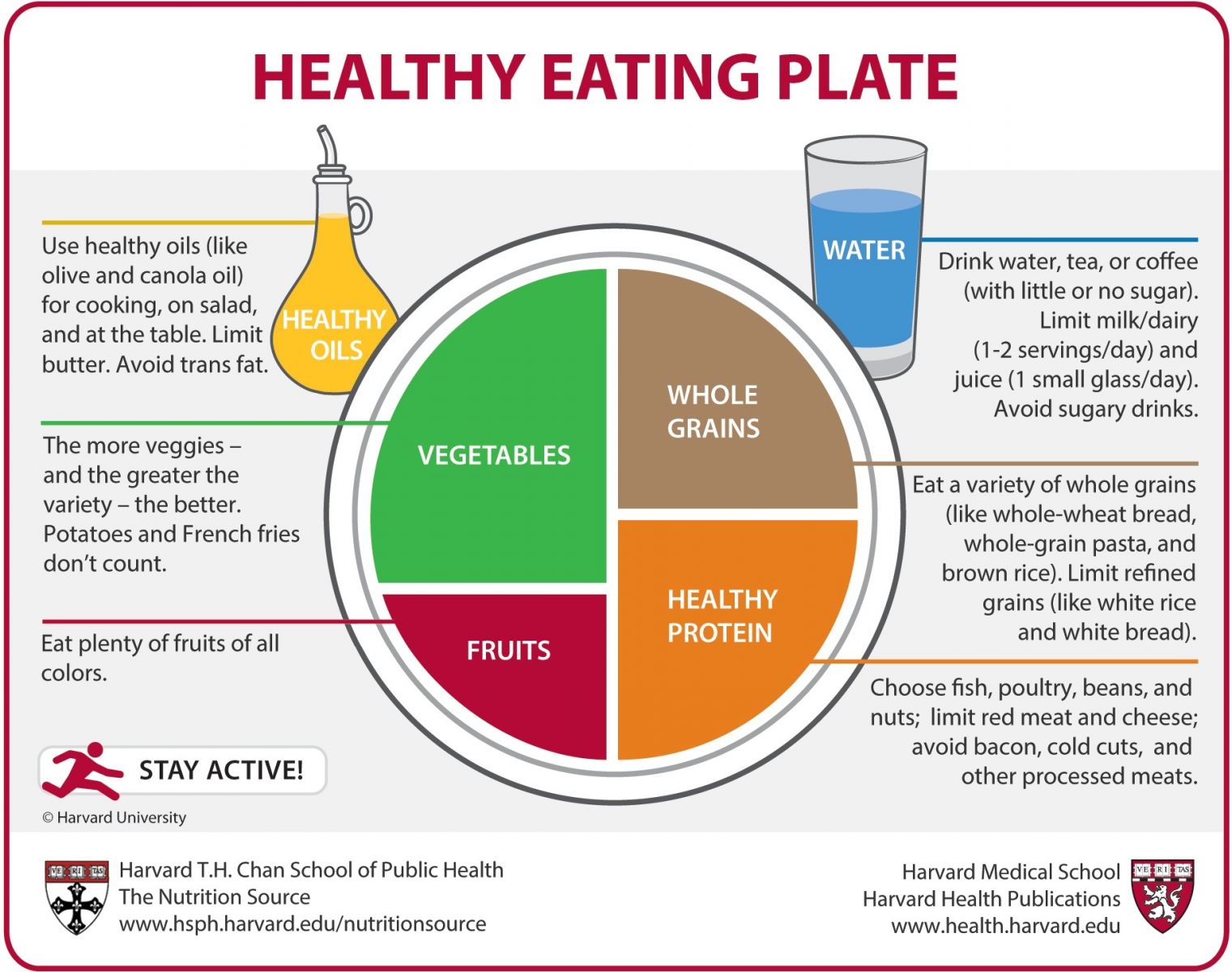
Dehydration can leave you feeling tired, foggy-headed, and even irritable. Make sure you’re drinking enough water throughout the day. It helps your brain function properly and keeps everything running smoothly.
Moving Your Body, Clearing Your Mind
Exercise isn’t just about getting physically fit; it’s a powerful tool for mental well-being. When you move your body, it releases endorphins, those feel-good chemicals that act as natural mood boosters and pain relievers.
The Mood-Boosting Power of Physical Activity
Regular exercise, whether it’s a brisk walk, a jog, dancing, or hitting the gym, can significantly reduce symptoms of anxiety and depression. It helps you manage stress, improves sleep quality, and boosts your self-esteem.
Finding What You Enjoy
The key is to find activities you actually like doing. It shouldn’t feel like a chore. Experiment with different types of exercise until you find something that clicks. That way, you’re more likely to stick with it in the long run.
Consistency is Key
You don’t need to run a marathon every day to see the benefits. Even small amounts of regular physical activity can make a difference. Aim for at least 30 minutes of moderate-intensity exercise most days of the week.
The Importance of Quality Sleep
Sleep is when your body and mind get to rest and recharge. When you don’t get enough quality sleep, it can seriously mess with your mood, concentration, and overall mental health.
The Brain Benefits of Sleep
During sleep, your brain processes information, consolidates memories, and clears out toxins. Getting enough sleep helps you think more clearly, focus better, and regulate your emotions more effectively.
Creating a Sleep-Friendly Routine
Aim for 7-9 hours of quality sleep each night. Establish a regular sleep schedule by going to bed and waking up around the same time each day, even on weekends. Create a relaxing bedtime routine, like taking a warm bath, reading a book, or listening to calming music. Make sure your bedroom is dark, quiet, and cool.
Limiting Sleep Disruptors
Avoid caffeine and alcohol close to bedtime, as they can interfere with sleep. Limit screen time before bed, as the blue light emitted from electronic devices can suppress melatonin production, making it harder to fall asleep.
Stress Management: Finding Your Calm
Stress is a normal part of life, but chronic stress can take a toll on your mental health. Learning healthy ways to manage stress is crucial for maintaining a balanced state of mind.
Identifying Your Stressors
The first step is to become aware of what triggers your stress. Once you know your stressors, you can start to develop strategies for dealing with them.
Relaxation Techniques
Practicing relaxation techniques like deep breathing exercises, meditation, yoga, or mindfulness can help calm your mind and reduce stress levels. Even a few minutes of these practices each day can make a difference.
Setting Boundaries
Learning to say no and setting healthy boundaries in your personal and professional life can help prevent you from feeling overwhelmed and stressed. Don’t be afraid to prioritize your well-being.
Time Management and Organization
Feeling in control of your tasks and time can significantly reduce stress. Break down large tasks into smaller, more manageable steps. Use tools like to-do lists or calendars to stay organized.
Connecting with Others: The Power of Social Support
Humans are social creatures, and having strong social connections is vital for mental well-being. Feeling connected to others provides a sense of belonging, support, and purpose.
Building and Maintaining Relationships
Make an effort to nurture your relationships with family and friends. Spend quality time with loved ones, and don’t hesitate to reach out when you need support.
The Benefits of Social Interaction
Social interaction can reduce feelings of loneliness and isolation, boost your mood, and provide a sense of community. Even small interactions, like a friendly chat with a neighbor or a phone call with a friend, can make a difference.
Seeking Support When You Need It
Don’t be afraid to reach out for help if you’re struggling. Talking to a trusted friend, family member, or mental health professional can provide valuable support and guidance.
Conclusion
Living a healthy lifestyle is a powerful way to support and improve your mental health. By nourishing your body with nutritious food, moving regularly, prioritizing sleep, managing stress effectively, and nurturing social connections, you can build resilience and cultivate a greater sense of well-being. Remember that small, consistent changes can lead to significant positive impacts on your mental and emotional health.
Frequently Asked Questions
How quickly can I expect to see improvements in my mental health by adopting a healthier lifestyle?
It varies from person to person. Some people may notice improvements in their mood and energy levels within a few weeks of making changes, while for others, it might take longer. Consistency is key, so stick with it, and you’ll likely see positive effects over time.
If I’m already eating relatively healthy, what’s one small change I can make to further benefit my mental health?
Try incorporating more probiotic-rich foods into your diet, such as yogurt with live cultures, kefir, sauerkraut, or kimchi. A healthy gut can have a significant positive impact on your mood and overall mental well-being through the gut-brain axis.
I struggle to find time for exercise. What are some simple ways to incorporate more movement into my daily routine?
Look for small opportunities throughout the day. Take the stairs instead of the elevator, walk or bike for short errands, do some stretching or light exercises during breaks from work, or have a walking meeting if possible. Even 10-15 minute bursts of activity can add up.
What are some effective and quick stress-management techniques I can use in the moment when I feel overwhelmed?
Deep breathing exercises are a great way to quickly calm your nervous system. Try the 4-7-8 technique: inhale deeply through your nose for a count of 4, hold your breath for a count of 7, and exhale slowly through your mouth for a count of 8. Repeating this a few times can help reduce feelings of anxiety and stress.
Is it possible to improve my mental health through lifestyle changes alone, or will I always need medication or therapy if I’m struggling?
Lifestyle changes can significantly improve mental health for many people, especially for mild to moderate symptoms. However, for more severe mental health conditions, medication and therapy are often crucial components of treatment. It’s always best to consult with a mental health professional to determine the most appropriate course of action for your individual needs.