
Alright, let’s dive into the world of no-equipment fitness for beginners! Getting started with exercise can feel like you need a fancy gym membership or loads of gear, but guess what? You absolutely don’t. Your own body is an amazing piece of equipment, and you can get a fantastic workout using just that. This article will guide you through some simple yet effective exercises you can do anywhere, anytime, without needing to buy a single thing. Ready to get moving?
Getting Started: Your Bodyweight Journey
So, you’re keen to get fit but don’t want to shell out for equipment or a gym? Awesome! Bodyweight exercises are a brilliant way to build strength, improve your cardiovascular health, and boost your overall fitness. The best part? You can do them in your living room, garden, or even a hotel room if you’re travelling. Consistency is key here, so aim to make these exercises a regular part of your routine.
Warming Up: Getting Your Body Ready
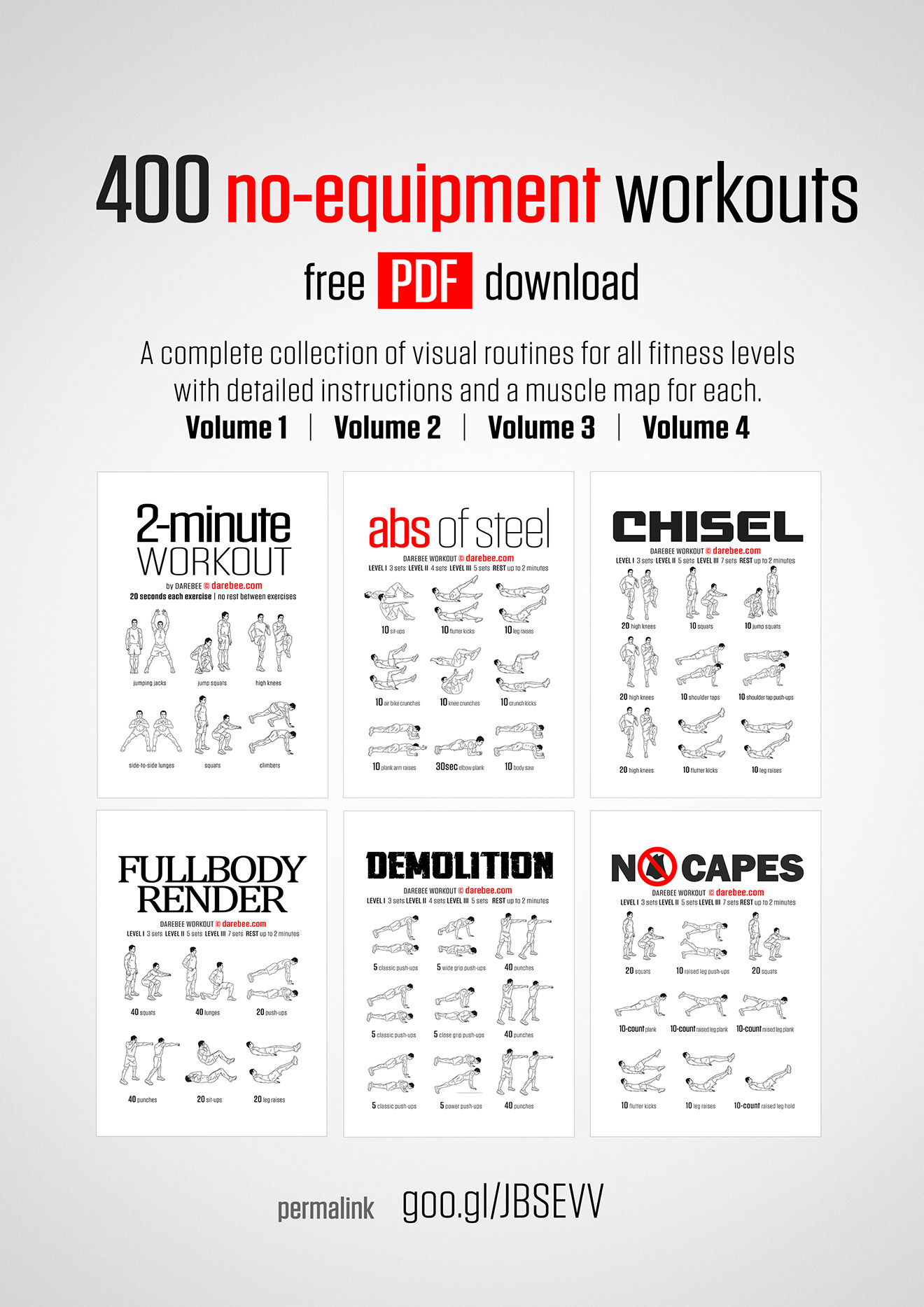
Before you jump into the main exercises, it’s super important to warm up your muscles. Think of it like gently waking your body up so it’s ready for action. A good warm-up helps prevent injuries and gets your blood flowing. Here are a few simple warm-up exercises you can do:
Light Cardio (5 minutes)
This could be anything that gets your heart rate up a little. Think jogging on the spot, jumping jacks (star jumps), or even just marching with high knees.
Dynamic Stretching (5-10 minutes)
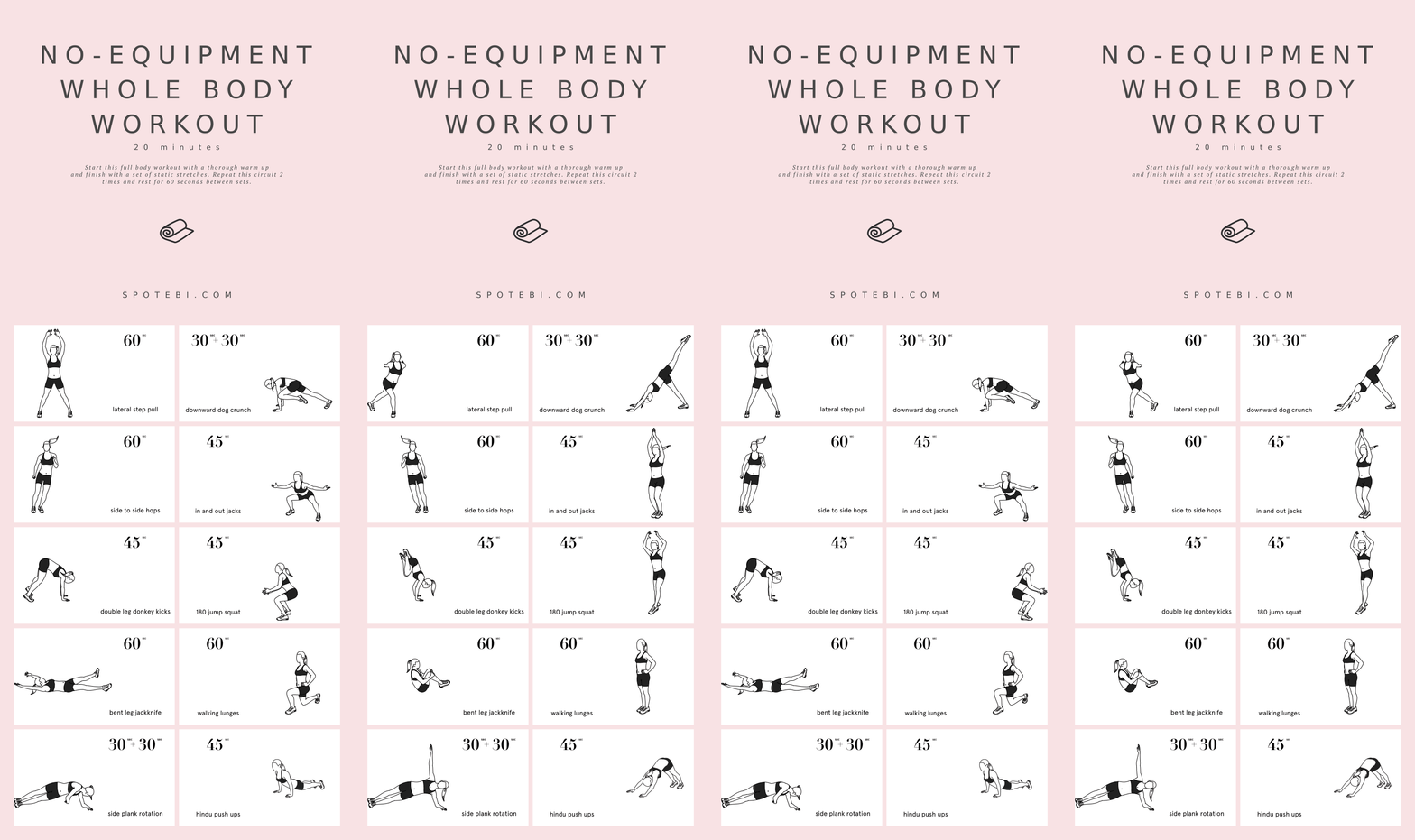
Dynamic stretches involve movement and help to increase your range of motion. Try these:
# Arm Circles
Gently swing your arms forward in a circular motion, then backward.
# Leg Swings

Hold onto a wall or chair for balance and swing one leg forward and backward, then side to side. Repeat with the other leg.
# Torso Twists
Stand with your feet shoulder-width apart and gently twist your upper body from side to side, keeping your hips relatively still.
The Main Workout: Your No-Equipment Routine
Now for the good stuff! Here are some fundamental bodyweight exercises that target different muscle groups. Remember to listen to your body and don’t push yourself too hard, especially when you’re just starting out. Proper form is more important than doing lots of repetitions.
Squats: Building Leg Strength
Squats are fantastic for your legs and glutes (your bum muscles!).
# How to do it:
1. Stand with your feet shoulder-width apart, chest up, and looking straight ahead.
2. Lower your hips as if you’re sitting down in a chair, keeping your back straight.
3. Go as low as feels comfortable, ideally until your thighs are parallel to the floor.
4. Push back up through your heels to the starting position.
5. Aim for 8-12 repetitions for 2-3 sets.
Push-Ups: Upper Body Powerhouse
Push-ups are great for your chest, shoulders, and triceps (the back of your arms). They can be a bit tough at first, so don’t worry if you can’t do many. You can always modify them.
# How to do it:
1. Start in a plank position with your hands shoulder-width apart, fingers pointing forward. Your body should form a straight line from your head to your heels.
2. Lower your chest towards the floor by bending your elbows, keeping your body straight.
3. Push back up to the starting position.
4. If regular push-ups are too difficult, try doing them on your knees. This reduces the amount of weight you’re lifting.
5. Aim for as many repetitions as you can with good form for 2-3 sets.
Lunges: Working Your Legs Individually
Lunges are excellent for building strength and balance in your legs. They target your quads, hamstrings, and glutes.
# How to do it:
1. Stand with your feet hip-width apart.
2. Step forward with one leg, lowering your hips until both knees are bent at a 90-degree angle. Your front knee should be directly over your ankle, and your back knee should hover just above the floor.
3. Push off with your front foot to return to the starting position.
4. Repeat with the other leg.
5. Aim for 8-12 repetitions on each leg for 2-3 sets.
Plank: Core Strength Builder
The plank is a fantastic exercise for strengthening your core muscles, which are essential for stability and good posture.
# How to do it:
1. Start in a push-up position, but instead of placing your hands on the floor, rest on your forearms. Your elbows should be directly below your shoulders, and your body should form a straight line from your head to your heels.
2. Engage your core muscles (imagine pulling your belly button towards your spine) and hold this position.
3. Aim to hold for 30-60 seconds, repeating for 2-3 sets. If that’s too long, start with 15-20 seconds and gradually increase the duration.
Glute Bridges: Strengthening Your Posterior Chain
Glute bridges are great for working your glutes and hamstrings.
# How to do it:
1. Lie on your back with your knees bent and feet flat on the floor, hip-width apart. Your arms should be by your sides, palms facing down.
2. Engage your glutes and lift your hips off the floor until your body forms a straight line from your shoulders to your knees.
3. Squeeze your glutes at the top and hold for a second.
4. Slowly lower your hips back down to the starting position.
5. Aim for 12-15 repetitions for 2-3 sets.
Crunches: Targeting Your Abs
Crunches are a classic exercise for working your abdominal muscles.
# How to do it:
1. Lie on your back with your knees bent and feet flat on the floor, hip-width apart. Place your hands lightly behind your head or across your chest.
2. Engage your core and lift your shoulders off the floor, bringing your chest towards your knees. Keep your lower back pressed into the floor.
3. Slowly lower back down to the starting position.
4. Avoid pulling on your neck with your hands.
5. Aim for 12-15 repetitions for 2-3 sets.
Cooling Down: Helping Your Body Recover
Just as important as warming up, cooling down helps your body gradually return to its resting state and can reduce muscle soreness. Spend 5-10 minutes doing some gentle static stretches, holding each stretch for about 20-30 seconds. Good stretches to include are:
Hamstring Stretch
Sit on the floor with your legs straight out in front of you. Reach towards your toes, keeping your legs straight (you don’t need to touch your toes, just feel a gentle stretch in the back of your legs).
Quadriceps Stretch
Stand and hold onto a wall or chair for balance. Grab your ankle and gently pull your heel towards your buttock, feeling a stretch in the front of your thigh. Repeat on the other leg.
Triceps Stretch
Raise one arm overhead and bend your elbow, so your hand reaches towards the middle of your back. Use your other hand to gently push your elbow further down. Repeat on the other arm.
Chest Stretch
Clasp your hands behind your back and gently straighten your arms, lifting your chest slightly.
Staying Consistent and Progressing
The key to seeing results is consistency. Aim to do these workouts several times a week, perhaps 3-4 times, with rest days in between to allow your muscles to recover. As you get stronger, you can increase the number of repetitions, sets, or the duration of your planks. You can also explore variations of these exercises to make them more challenging. For example, once regular push-ups become easier, you can try incline push-ups (hands elevated) or decline push-ups (feet elevated).
Conclusion: Your Fitness Journey Starts Now
You’ve now got a solid foundation for a no-equipment fitness routine. Remember, you don’t need fancy gadgets or a gym membership to get fitter and healthier. Your body is an incredible tool, and with a little dedication and consistency, you can achieve your fitness goals right from the comfort of your own space. Start slowly, listen to your body, and celebrate your progress along the way. You’ve got this!
Frequently Asked Questions
How often should I do these exercises?
Aim for 3-4 times per week with rest days in between. This allows your muscles time to recover and rebuild.
How long should each workout session be?
A good starting point is around 20-30 minutes, including your warm-up and cool-down. As you get fitter, you can gradually increase the duration.
Is it possible to build muscle without equipment?
Absolutely! Bodyweight exercises can effectively build muscle strength and endurance. While you might not build bulk like you would with heavy weightlifting, you can definitely get stronger and more toned.
What if I can’t do a full push-up or lunge properly?
Don’t worry! Start with modifications. For push-ups, try doing them on your knees. For lunges, focus on the movement and don’t go too deep initially. As you get stronger, you’ll be able to perform the full versions.
How long will it take to see results?
This varies from person to person and depends on factors like your starting fitness level, consistency, and diet. However, with regular effort, you can typically start to notice changes in your strength and energy levels within a few weeks, and more visible changes within a couple of months.