
Alright, let’s dive into the fascinating world of gut health and how you can naturally nurture it step by step. Forget complicated jargon; we’ll keep it straightforward and easy to digest (pun intended!).
Step 1: Load Up on Fiber – Your Gut’s Best Friend
Think of fiber as the broom and fuel for your gut. It sweeps away the bad stuff and feeds the good bacteria, helping them thrive. We’re talking about those beneficial microorganisms that play a huge role in everything from digestion to your immune system.
Where to Find This Magical Fiber?
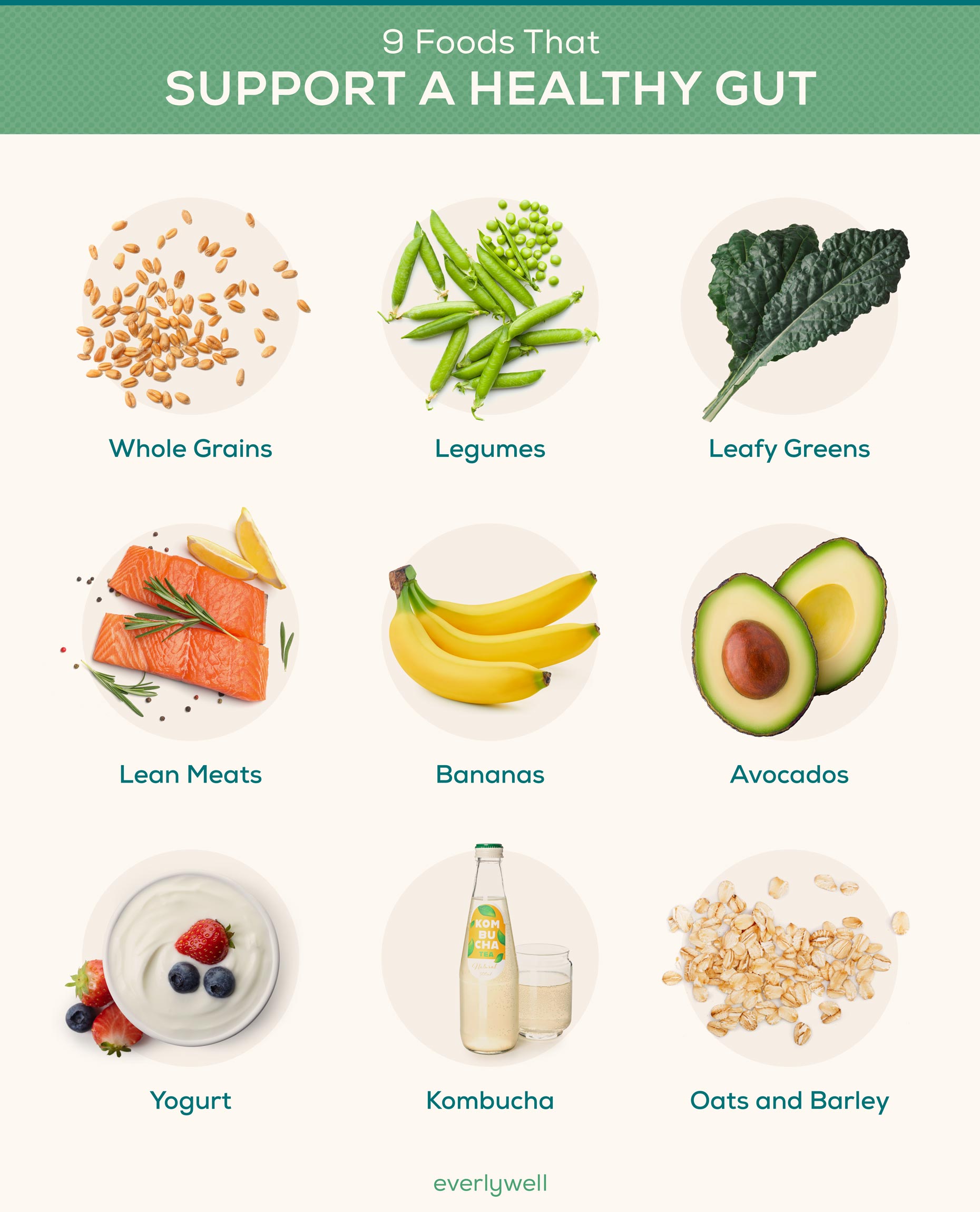
Fruits and Veggies: Aim for a rainbow of colors! Berries, apples, bananas, broccoli, spinach, carrots – they’re all packed with different types of fiber. Don’t peel your apples and pears; that’s where a lot of the fiber lives.
Step 2: Embrace Fermented Foods – Introduce the Good Guys
Fermented foods are like a party for your gut bacteria. They’re naturally rich in probiotics – those live and active cultures that can boost the population of beneficial bacteria in your digestive system.
Delicious Ways to Get Your Fermented Fix

Yogurt (with live and active cultures): Check the label to make sure it actually contains those beneficial bacteria. Opt for plain yogurt and add your own fruit or a drizzle of honey to control the sugar.
Step 3: Stay Hydrated – Keep Things Moving Smoothly
Water is essential for just about every bodily function, and your gut is no exception. It helps to keep things moving smoothly through your digestive tract and prevents constipation.
Simple Ways to Stay Hydrated
Carry a water bottle: Having water readily available makes it easier to sip throughout the day.
Step 4: Manage Stress – The Gut-Brain Connection is Real
Did you know your gut and brain are constantly talking to each other? This “gut-brain axis” means that stress can have a significant impact on your digestive system. When you’re stressed, it can disrupt the balance of bacteria in your gut and lead to issues like bloating, pain, and changes in bowel habits.
Practical Ways to Dial Down Stress
Mindfulness and Meditation: Even a few minutes of daily mindfulness can help calm your nervous system. There are plenty of apps and guided meditations available.
Step 5: Be Mindful of What You Eat – Pay Attention to Your Body
Eating on the go or while distracted can lead to overeating and poor digestion. Paying attention to your food and how your body reacts to it is crucial for gut health.
Tips for More Mindful Eating
Eat slowly: Take your time to chew your food thoroughly. This helps your body break it down properly and can also make you feel fuller sooner.
Conclusion: Nurturing Your Gut is a Journey, Not a Destination
Improving your gut health naturally is an ongoing process, but the rewards are well worth the effort. By gradually incorporating these step-by-step changes into your daily routine, you can cultivate a thriving gut microbiome, which in turn can positively impact your overall well-being. Remember to be patient with yourself and celebrate the small victories along the way. Your gut will thank you for it!
Frequently Asked Questions (FAQs)
What are the early signs of an unhealthy gut?
Early signs can include frequent bloating, gas, constipation or diarrhea, heartburn, fatigue, skin issues like eczema, and even mood changes. However, these symptoms can also be related to other conditions, so it’s always best to consult a healthcare professional for proper diagnosis.
How long does it take to see improvements in gut health through natural methods?
It varies from person to person, but you might start noticing some improvements within a few weeks of making consistent changes. However, significant and lasting changes in your gut microbiome can take several months of sustained effort.
Can stress directly cause gut problems?
Yes, stress can definitely impact your gut health. The gut-brain axis is a two-way communication system, and when you’re stressed, it can disrupt the balance of bacteria in your gut, leading to digestive issues and even increased gut sensitivity.
Are probiotics from supplements as effective as those from fermented foods?
Both probiotic supplements and fermented foods can be beneficial. Fermented foods offer a variety of probiotic strains along with other nutrients. Supplements can provide a higher concentration of specific strains, but the quality and effectiveness can vary. It’s often recommended to prioritize getting probiotics from whole foods and consider supplements if needed, ideally under the guidance of a healthcare professional.
Is it possible to have too much fiber?
While fiber is generally good for you, suddenly increasing your intake too much can lead to temporary digestive discomfort like gas and bloating. It’s best to increase your fiber intake gradually to allow your gut to adjust. Also, ensure you’re drinking enough water as fiber absorbs water.