
Alright, let’s dive into how yoga can be your secret weapon against stress. It’s more than just fancy poses; it’s a whole mind-body practice that can really help you chill out.
The Stress Monster: What’s Going On?
We all know that tight feeling in our chest, the racing thoughts, the general “ugh” that comes with stress. It’s a natural response, but when it sticks around too long, it can mess with your health, sleep, and mood. Think of stress as your body’s alarm system going into overdrive.
Yoga to the Rescue: More Than Just Stretching
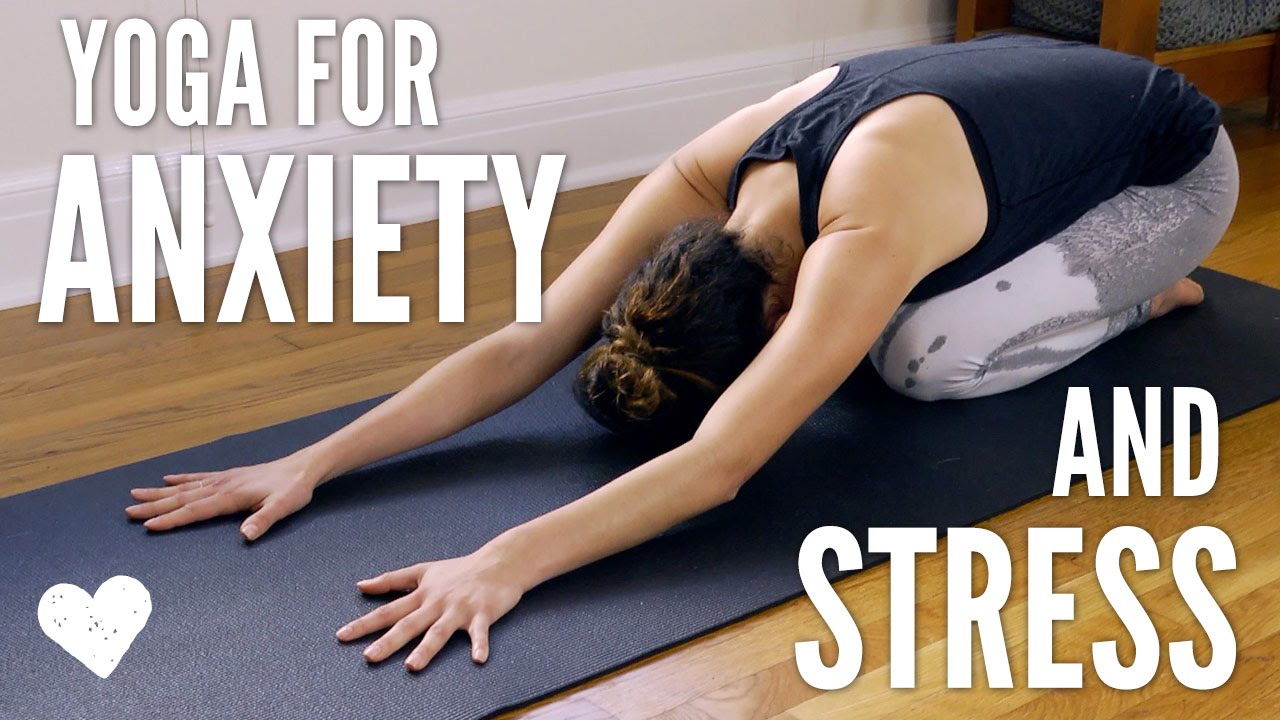
Yoga isn’t just about bending into pretzel shapes (though some poses can look that way!). It combines physical postures (asanas), breathing techniques (pranayama), and often meditation or relaxation. This combo is what makes it so effective for stress relief.
How Yoga Eases the Tension
So, how exactly does rolling out a mat help you feel less frazzled? Let’s break it down:
Taming Your Breath

Ever notice how your breathing gets shallow and fast when you’re stressed? Yoga breathing exercises, like deep belly breaths or alternate nostril breathing, can slow your heart rate and calm your nervous system. It’s like hitting the pause button on your body’s stress response.
Moving Your Body, Calming Your Mind
The physical postures in yoga help release tension that builds up in your body – think tight shoulders or a stiff neck. As you move and stretch, you also bring your focus to the present moment, giving your mind a break from worries about the past or future. It’s a form of active meditation.
Finding Your Inner Stillness
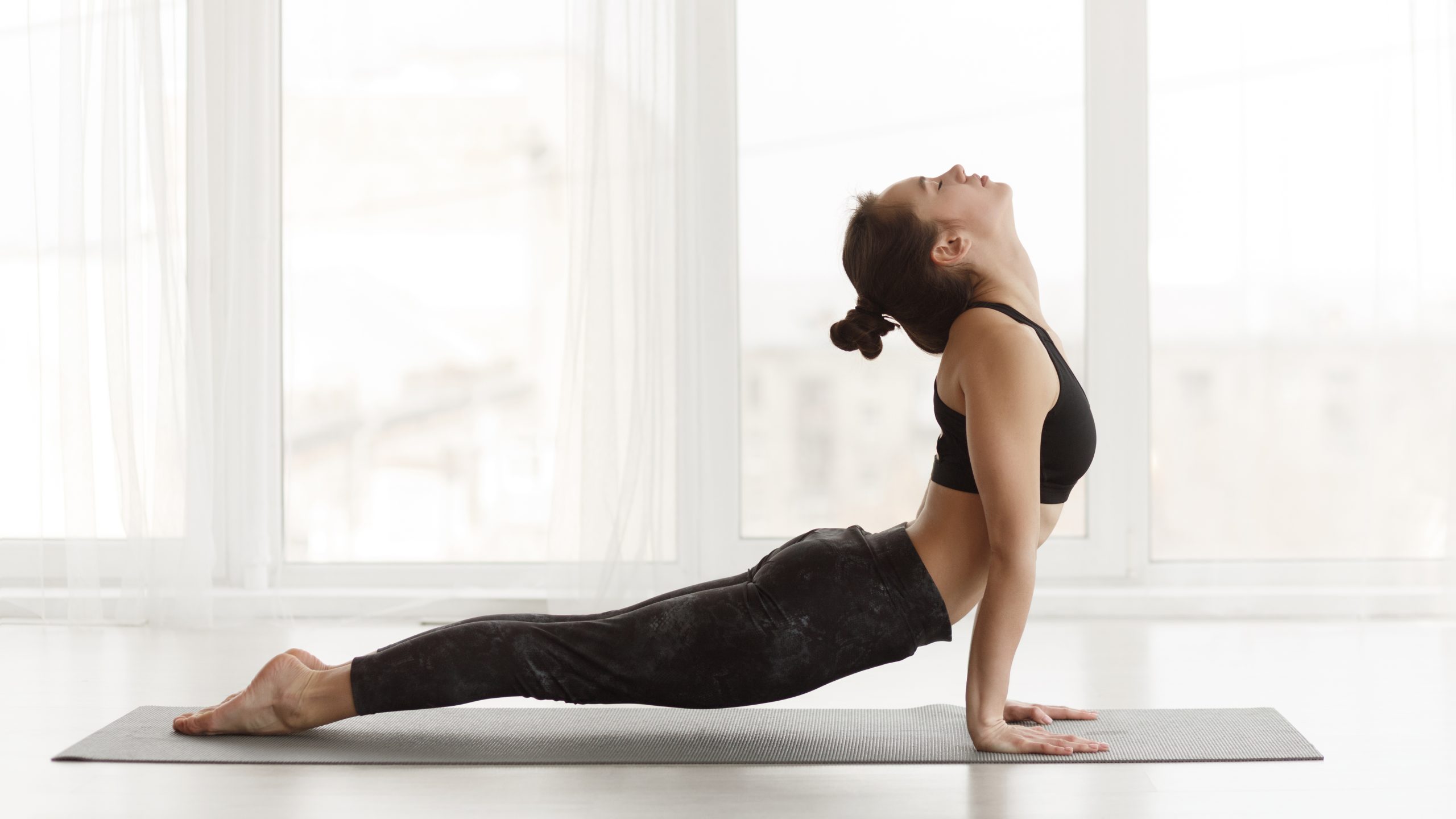
Many yoga practices incorporate a few moments of stillness and relaxation at the end. This gives your body and mind a chance to fully absorb the benefits of the practice and helps you cultivate a sense of calm that you can take off the mat with you.
Different Paths to Peace: Yoga Styles for Stress
Just like there are different flavors of ice cream, there are different styles of yoga. Some are more fast-paced and energetic, while others are slower and more restorative. For stress relief, you might want to explore these:
Hatha Yoga: The Gentle Introduction
This is a good starting point. Hatha classes tend to be slower-paced and focus on basic postures, making them accessible for beginners. It’s a great way to learn the fundamentals and connect with your body.
Restorative Yoga: Deep Relaxation
If you’re feeling really burnt out, restorative yoga is like a warm hug. It involves holding supported poses for longer periods using props like blankets and bolsters. The goal is to completely relax and let go of tension.
Yin Yoga: Stretching Deep
Yin yoga focuses on long-held, passive poses that target the deeper connective tissues. It can be physically intense but also incredibly calming for the mind as you learn to sit with discomfort and find stillness.
Yoga Nidra: The Sleep of the Yogi
While not a style of asana practice, Yoga Nidra is a guided meditation that brings you to a state of deep relaxation, almost like being asleep but still aware. It’s a powerful tool for reducing stress and improving sleep.
Making Yoga a Part of Your Life
You don’t need to become a yoga master overnight to feel the benefits. Even short, regular sessions can make a difference. Find a style and a teacher that resonates with you, and don’t be afraid to modify poses to fit your body. The most important thing is to show up on your mat.
Conclusion: Finding Your Calm Through Yoga
In our busy world, stress can feel like an unavoidable part of life. However, yoga offers a powerful toolkit to help you manage and reduce its impact. By combining mindful movement, breathwork, and relaxation, yoga can help you find a sense of calm, both on and off the mat. It’s an ongoing practice, a journey towards a more balanced and peaceful you.
Frequently Asked Questions
What if I’m not flexible? Can I still do yoga?
Absolutely! Flexibility is a benefit of yoga, not a requirement to start. Many poses can be modified, and you’ll likely find your flexibility improves over time with regular practice.
How often should I practice yoga for stress relief?
Even short, regular sessions can be beneficial. Aim for at least a couple of times a week, even if it’s just for 15-20 minutes. Consistency is key.
Can yoga completely get rid of stress?
While yoga is a powerful tool for managing stress, it’s not a magic cure. It can significantly reduce your stress levels and help you develop better coping mechanisms.
I find it hard to switch off my mind during yoga. Is that normal?
Yes, it’s very common! Don’t get discouraged. Just gently bring your focus back to your breath or the physical sensations in your body whenever your mind wanders. It’s part of the practice.
Are there any risks associated with yoga?
Like any physical activity, there’s a potential for injury if you push yourself too hard or don’t listen to your body. It’s always a good idea to learn from a qualified instructor, especially if you have any pre-existing health conditions.